Top resources for
(+91)9900520233, 7026314999
office@cfalindia.com
Find Us
Office 1 : CFAL India Akashbhavan,
Kavoor, Mangaluru, Karnataka 575015
Office 2 : CFAL India, Bejai - Kapikad Road, Kotekani, Mangalore, Karnataka 575004




A three-year pathway for students who require depth, research capability, and career clarity — not speed.
In India, the conventional pathway from Grade 11 to undergraduate admission follows a compressed two-year structure: Grade 11, Grade 12, entrance examination, admission.
This timeline is assumed to be optimal. Completion in two years is treated as success. Anything longer is regarded as delay or failure.
The standard two-year pathway is not the norm. It is the exception.
Longitudinal data reveals a different pattern.
The difficulty is not individual failure. It is structural. The question is not whether students should spend more time preparing. The question is whether that time should be spent repeating what didn't work — or building what was missing.
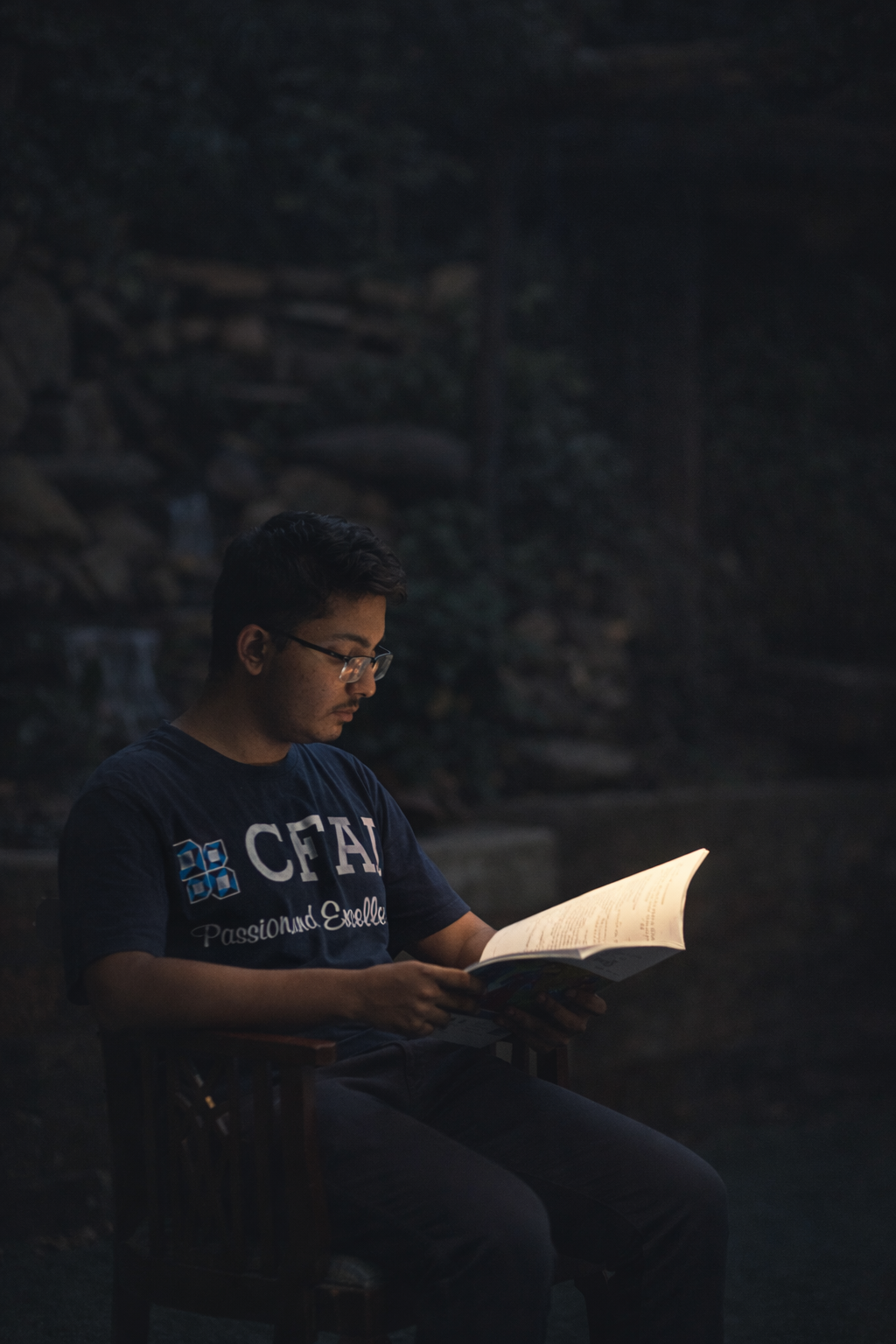
What competitive examinations actually demand:
These are not skills acquired through short-term preparation. They develop over years.
The conventional model prioritises rapid syllabus coverage, pattern recognition training, high-frequency testing, and time pressure. This supports performance on familiar problems. It does not cultivate reasoning, synthesis, or independence.
When students encounter unfamiliar problem formats, questions requiring conceptual integration, or situations demanding independent reasoning — they struggle. Not because they lack intelligence. Because preparation structure was misaligned with examination demands.
Students who repeat typically use the same preparation structure that failed the first time. Without addressing underlying gaps, additional time produces diminishing returns. The <5% success rate among repeaters reflects this reality.
"The difference is not effort. It is structure."
Even students who succeed frequently lack clarity about why they chose their discipline, what professional work actually involves, whether their aptitudes align with long-term demands, and what alternatives exist beyond JEE/NEET.
This absence produces high attrition in undergraduate programmes, career pivots in early professional years, and regret about paths chosen under pressure.
The lifetime cost: Total time lost: 6–7 years. Financial cost: ₹20–40 lakh. Psychological cost: regret, wasted years, delayed identity.
Most people settle into stable careers in their mid-30s. Rushing into that decision at 18 can cost years of career misalignment.
The 13th Year is not remediation. It is structured time for depth and clarity.
The programme exists to solve a temporal problem: intellectual maturity requires more time than two years typically allow. Career clarity requires sustained exposure and reflection. Students need time without the pressure of boards and premature career decisions.
720 hours. Robust, flexible, examination-resilient conceptual structures.
18–24 month pipeline with mentors from IISc and IITs. Produce knowledge, not just consume it.
Google Science Fair, IRIS, ISEF, Olympiads — depth and originality rewarded.
95%+ through self-paced learning and spaced revision.
20+ practitioners. Structured reality contact — not career counselling.
40+ hours shadowing. Written career decision statement. Defended before an external panel.
"By end of Grade 12, students have foundations exceeding typical preparation."
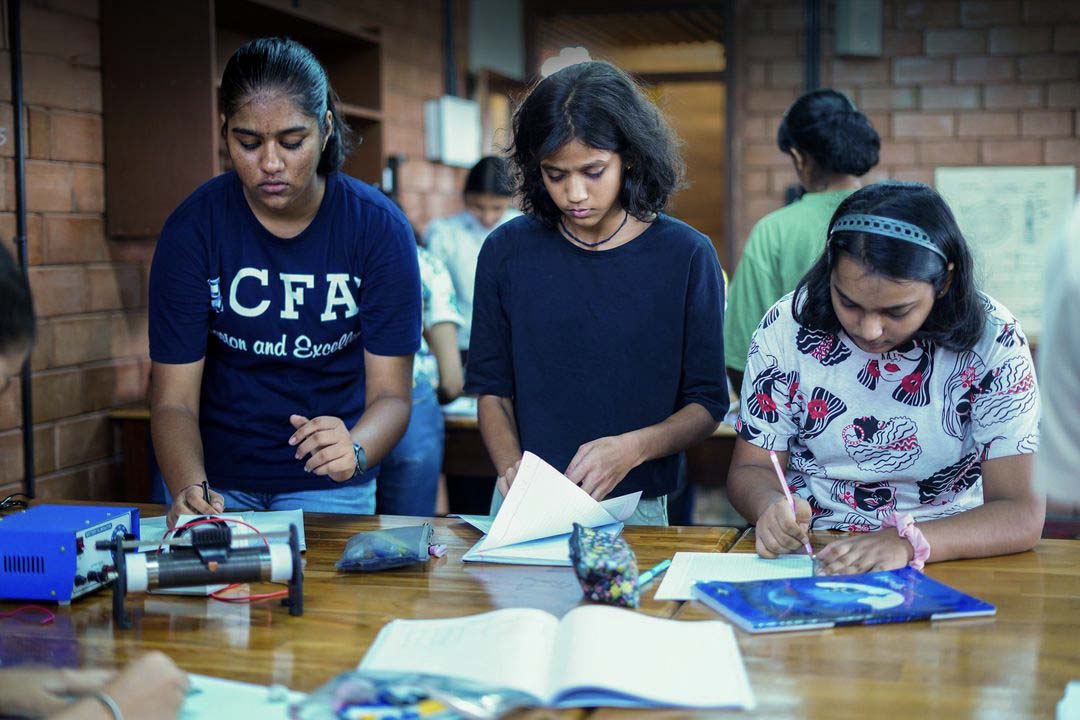
By Month 10 of the 13th Year, students choose one of two pathways with clarity.
Shadowing 3+ professionals (40+ hrs) · 20+ practitioner interactions documented · Written career decision statement · External mentor panel presentation. This is not optional. This is a graduation requirement.
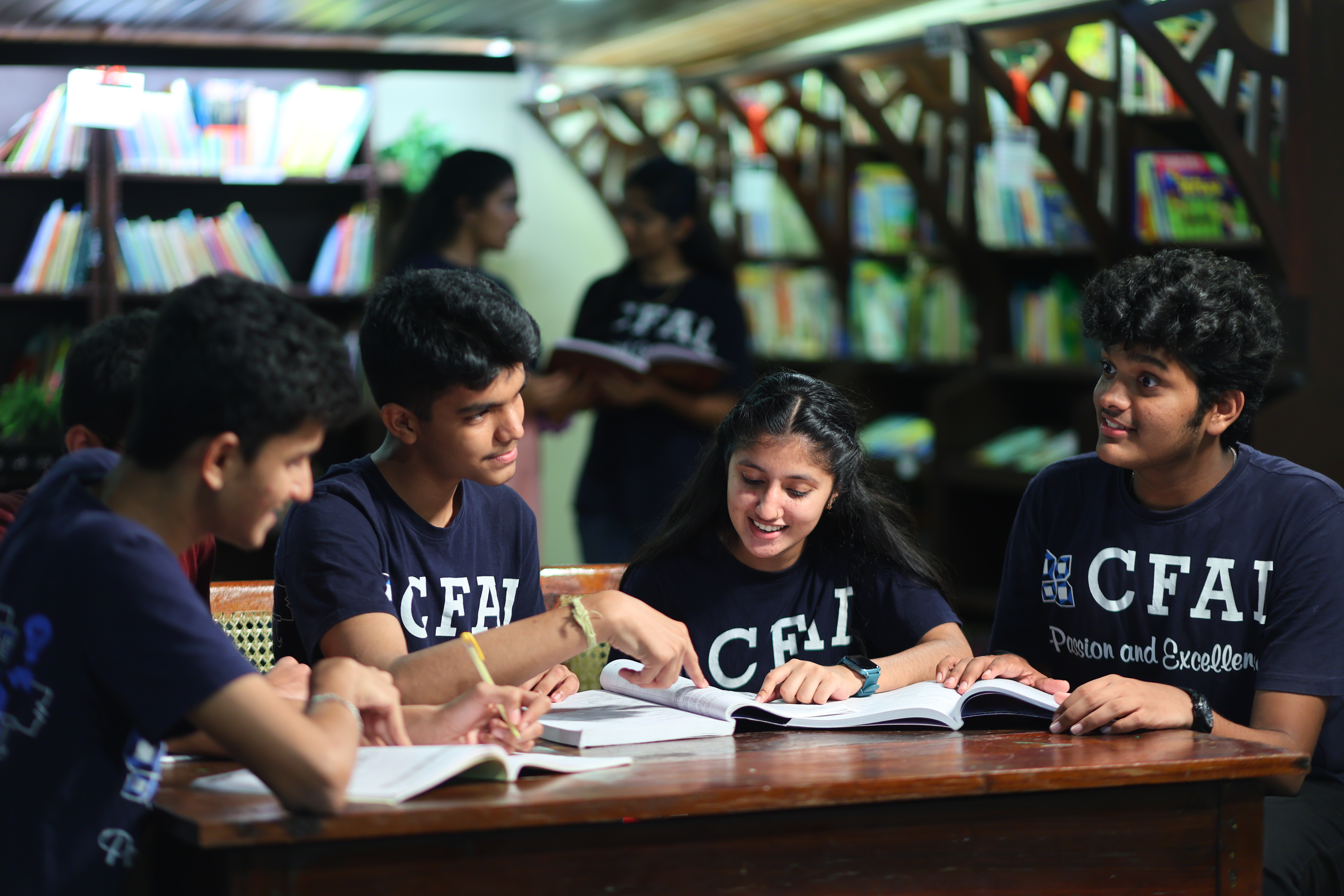
Seeking answers →
Formulating questions
Consuming knowledge →
Producing knowledge
Performance focus →
Capability focus
External validation →
Internal direction
Time anxiety →
Purpose clarity
Narrow optionality →
Expanded awareness
Students develop capacity to decide what's worth learning, recognise when understanding is superficial, seek feedback without dependency, and persevere without external structure. This internal direction is the primary determinant of long-term success.
"This shift in evaluation criteria persists long after examinations end."
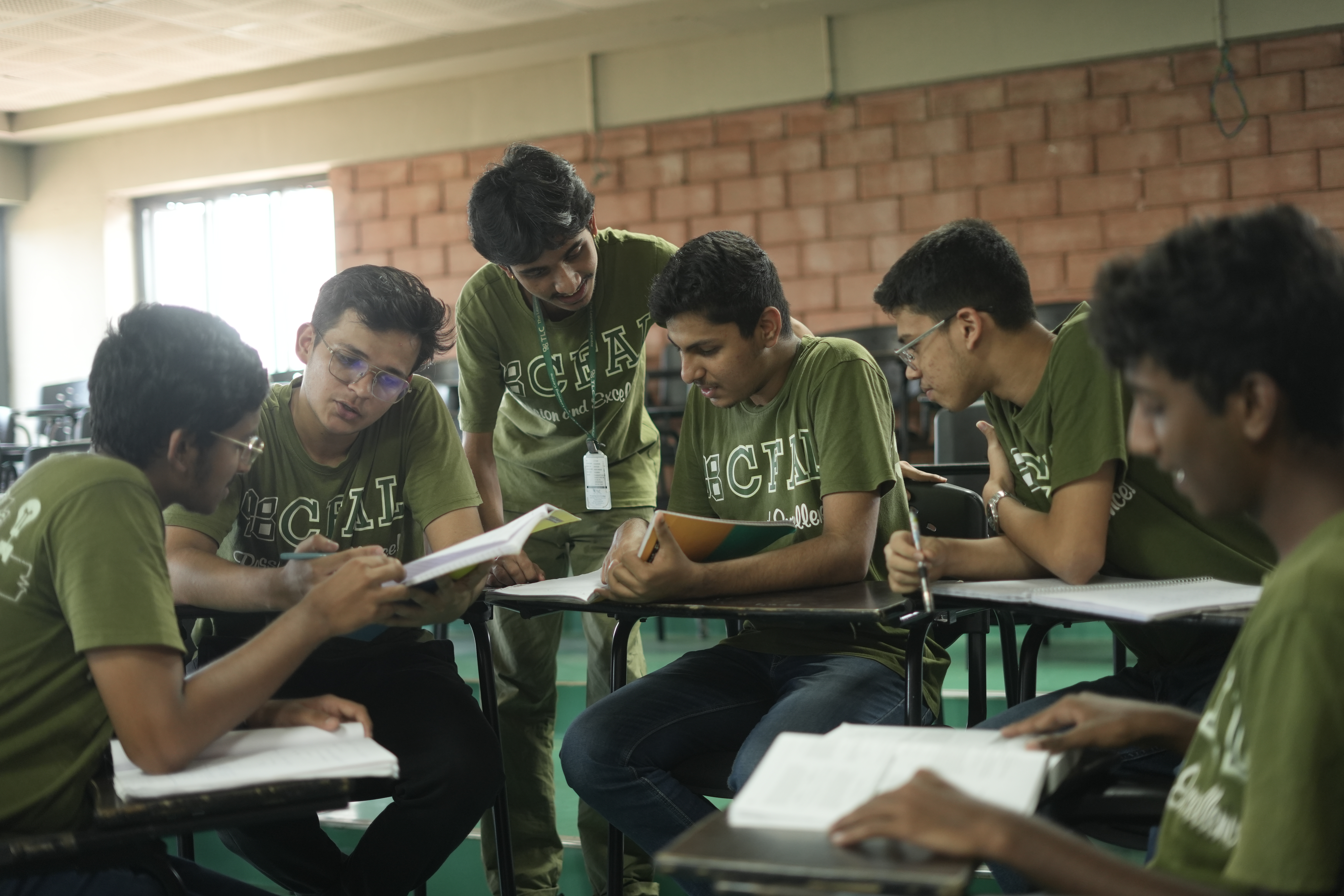
Self-paced PU curriculum. Olympiad training begins (6 hrs/week). Research topic identification. MakerSpace projects. Target: 85%+ first PU.
Advanced Olympiad problem-solving. Research paper development & submission. Competition participation. Target: 95%+ second PU.
Months 1–10: Career Clarity Milestone. Month 10: Pathway decision. Months 11–18: Execution of chosen pathway.
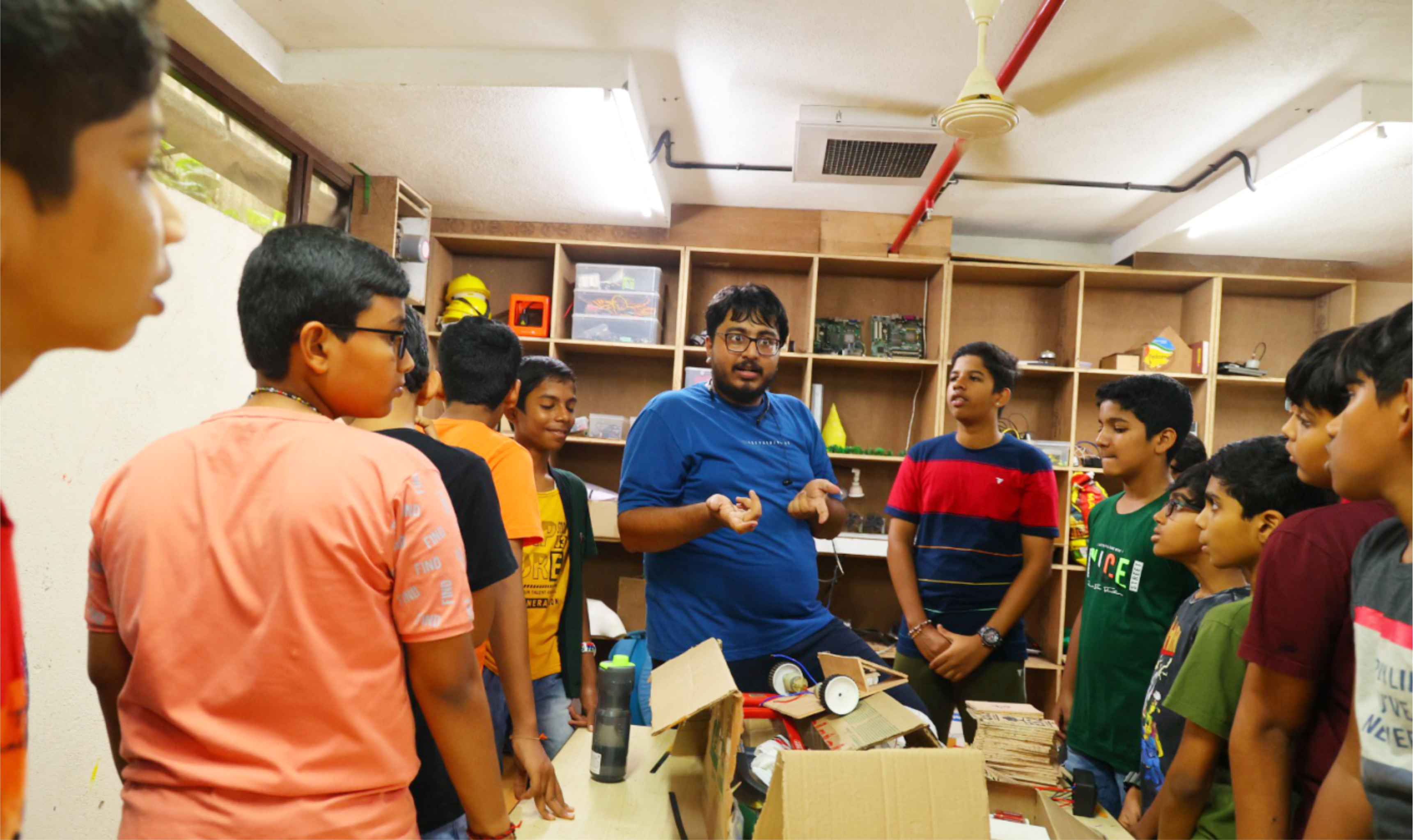
8:30 AM – 6:30 PM (Mon–Fri)
Morning: Lab work, MakerSpace, research
Afternoon: Olympiad sessions
Evening: Self-paced PU, mentorship
Saturday: 4 hrs revision
Sunday: Complete rest (non-negotiable)
Students graduate when they achieve:
Most complete in 3 years. The programme emphasises readiness over rigid timelines.
12–15 students per cohort — structural necessity
The following combines outcomes from CFAL's PU programme (2021–2024) with projected targets for the Research & Mastery cohort.
Projected pathway distribution for each cohort. Every student is accounted for — these are targets, not historical data.
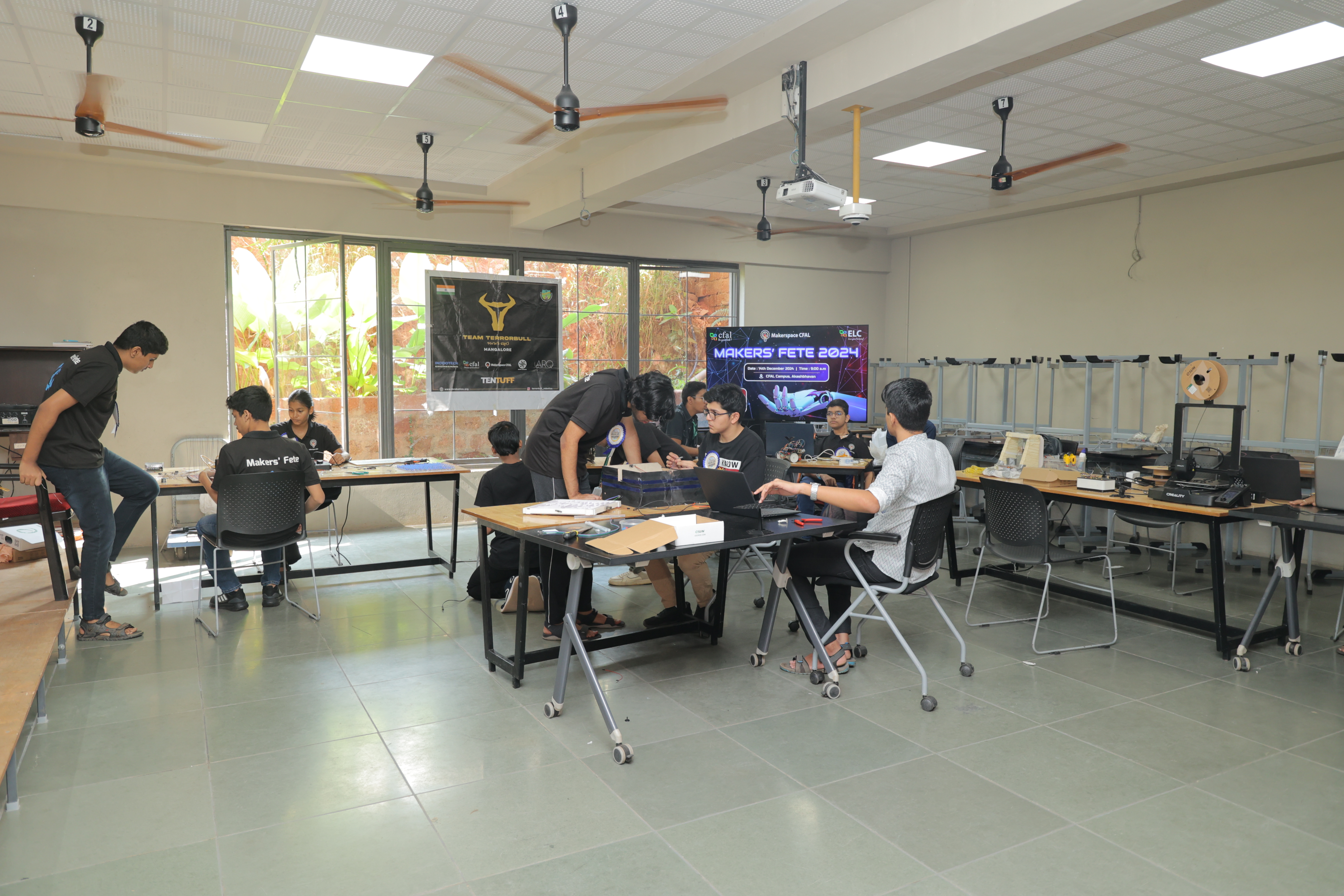
These students exist. They are rare. The programme is designed for them.
"The goal is not to admit students who will succeed easily. The goal is to admit students who will engage seriously."
cfal.in/research-mastery · 99005 20233